
Uncategorized
Is THCA Included in the New Hemp Ban?
Nov
Is THCA Included in the New Federal Hemp Ban? (Yes – and You Should Consider Stocking Up Now)
If you’re a fan of hemp-derived products—especially those that include THCA—you might want to sit down and pay attention. Because a major policy change just hit the books in Washington, DC, and it threatens what you’ve come to love.
Let me walk you through it: what’s happening, why it matters, how THCA is caught up, and what you might consider doing while you still can.
What’s Going On?
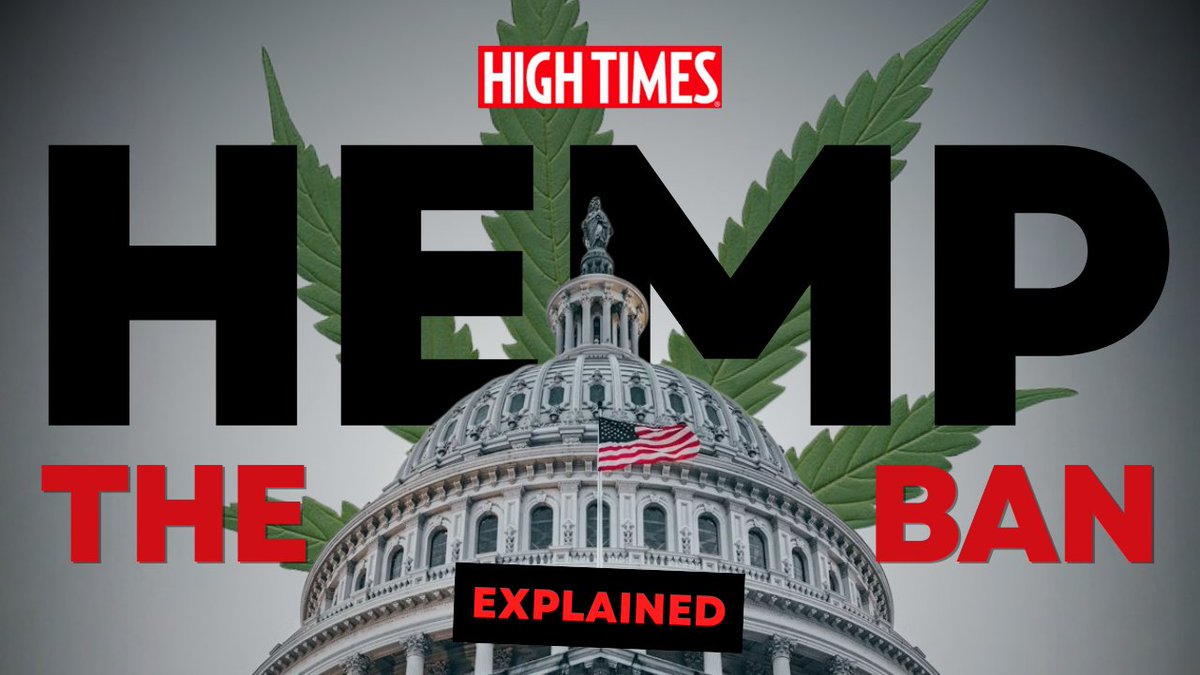
Recently, the U.S. Congress moved to tighten federal regulation of hemp-derived cannabinoids. A provision tucked into a must-pass funding bill now redefines “hemp” and effectively bans many hemp-derived products that contain or convert to intoxicating cannabinoids. The measure was passed as part of that larger spending package and is to take effect in roughly a year.
In plain terms: What was once a thriving market for hemp-derived wellness or recreational products is facing a federal roadblock.
Why This Matters to You
If you’ve been buying or using THCA products—or even full-spectrum CBD or hemp extracts that include minor cannabinoids—this shift threatens your access. By redefining what “hemp” is and tightening the allowable cannabinoid content, the law doesn’t just target delta-9 THC. It also drags THCA and other cannabinoids into the regulatory net.
So, yes: your favorite THCA flower or other products may be affected.
Is THCA Included in the New Hemp Ban?
Short answer: Yes, it is.
Here’s how:
- The prior legal baseline (under the Agriculture Improvement Act of 2018 / “2018 Farm Bill”) defined hemp broadly as Cannabis sativa L. and derivatives that contain no more than 0.3% delta-9-tetrahydrocannabinol (THC) on a dry-weight basis.
That left an opening: THCA is the precursor to delta-9 THC and, in many cases, the law didn’t explicitly count it. Many products leveraged this to deliver high-THCA flower (which decarboxylates to delta-9 THC when heated).
- The new law redefines “hemp” to mean the plant and its derivatives with a total tetrahydrocannabinols concentration (including THCA) of not more than 0.3% on a dry weight basis.
That’s a key change: “total THC” now includes THCA. So THCA-rich flower that used to fly under the radar is effectively swept out.
- Additional provisions ban “hemp-derived cannabinoid products” that contain cannabinoids “not capable of being naturally produced” by the plant (targeting synthetics) or that were “synthesized or manufactured outside the plant.”
Plus the law sets a cap of 0.4 milligrams per container of combined THC/THCA (and any cannabinoid with “similar effects”) for final consumer products.
- Putting this together, many THCA products—even those with low delta-9 THC—will be federally illegal once the law takes effect. The law also invites treating them as controlled substances (in effect, like cannabis) rather than hemp.
If you’re using THCA products (or hemp products with THCA), you’re definitely included. So stock up now at Cali EZ-OZ.com before we sell out for good.
Why the Change Was Made
According to industry analysis and reporting, the goal of this legislation was to “close the hemp loophole” that allowed intoxicating cannabinoids (like delta-8 THC, THCA flower, and other minor/converted cannabinoids) to be sold legally.
Proponents argue that these products were unregulated, marketed to consumers and minors, sold in gas stations, online, corner stores, and lacked consistent testing or age restrictions.
In short: the federal government stepped in to say that the prior arrangement was too loose for cannabinoids that produce intoxication, so they are tightening the reigns.
The Timeline & What You Can Still Do
Here’s what you should know about timing and your options:
- The law does not go into effect immediately. There is approximately a one-year grace period from when the bill was passed to when enforcement begins.
- That means there’s still time—though it’s limited—to use, stock up, or otherwise think ahead if you’re a regular user.
- After the grace period ends, products that don’t comply (for example, high-THCA flower) may become federally illegal and subject to the full consequences of the federal Controlled Substances Act.
- Also worth noting: this is federal law. Some states may have stricter rules already; others may take their own path. But you’ll be entering a new era of regulatory risk.
Why You May Want to Stock Up Now
Given all of the above, here’s why you might consider acting soon:
- If you’re into THCA-rich flower, there’s a chance it might all vanish from the legal-market shelves once enforcement kicks in.
- Prices may start increasing as supply tightens or as businesses adjust to uncertainty.
- While it’s still legal (federally), you might want to purchase a supply that meets your personal use (while obeying state laws).
- Stock up now at Cali EZ-OZ.com before we sell out for good.
- If you rely on such products for wellness, mood, sleep, pain, or enjoyment—it may make sense to lock in the versions you prefer now while you still can.
- If you intend to store them, keep in mind best practices for shelf-life, proper storage, and local/state compliance (respecting laws where you live).
Final thoughts
Yes: THCA is definitely included in the new federal hemp ban. The legislative shift isn’t just targeted at delta-9 THC—but at THCA and other cannabinoids that either convert into delta-9 THC or offer similar intoxication, and that were being sold in the open hemp market ecosystem.
If you enjoy THCA-rich hemp products, this is a wake-up call. The grace period is ticking down. You still have a window to stock up, plan ahead, and ensure you’re optimally positioned before the clock runs out. Waiting too long may leave you without access to the products you love—or forced to navigate a much different regulatory environment.
So: take stock, review your state’s laws, and consider stocking up now—while the market still operates under the older rules. When the law flips, you may be wishing you got ahead of it.
Disclosure: This blog is for informational purposes only and does not constitute legal advice. You should consult a qualified professional regarding compliance and regulation in your jurisdiction.
